news
Dayton Leaders Set Infrastructure Priorities as Federal Funding Opportunities Expand
After recent developments around the nation’s infrastructure, Dayton’s leaders prepare to determine priorities and next steps for local projects.
How we reported this
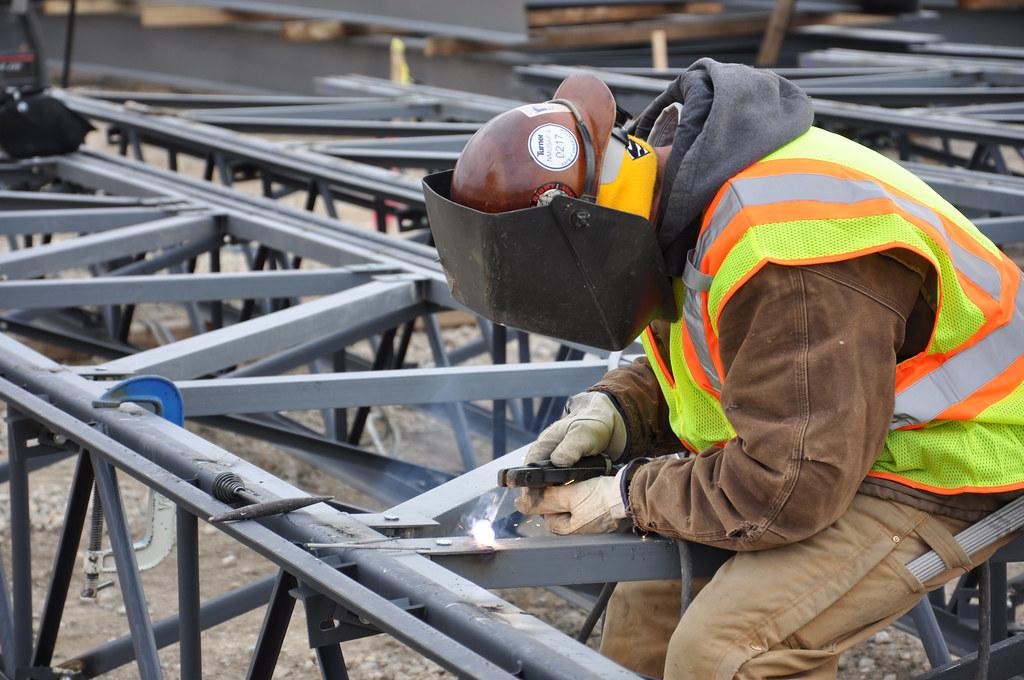
Dayton’s infrastructure planning is entering a pivotal phase as city officials and stakeholders deliberate next steps amid a renewed national focus on infrastructure investment. While national headlines highlight global crises and political developments, local government is quietly setting the foundation for decisions that will shape city transportation, utilities, and urban development for years.
Why Infrastructure Planning Matters Now
The timing is significant. As congressional debates continue elsewhere, Dayton must confront how to leverage potential funding sources and community needs to address long-standing urban infrastructure deficits. Challenges like deteriorating roads, outdated utility systems, and the demands of growing neighborhoods compel the city to prioritize projects carefully. Local decision-makers recognize that failing to act could worsen congestion, harm public health, or stall economic growth.
The community has expressed concern over the pace and scope of infrastructure upgrades, citing aging streets and rising maintenance costs. While no recent congressional funding allocations have been disclosed specifically for Dayton, the nationwide infrastructure discourse places local officials in a position to prepare comprehensive plans to compete for future federal or state grants. This moment invites deliberate choices about what the city’s infrastructure priorities should be.
Local Projects and Strategic Focus Areas
Within Dayton, key infrastructure considerations include the repair and modernization of arterial roads connecting neighborhoods such as Five Oaks and Wright-Dunbar, as well as utility upgrades in older districts like Old North Dayton. These efforts aim to improve traffic flow, safety, and resilience to extreme weather, a growing concern given increasingly erratic summer conditions.
Additionally, the city’s planning department is evaluating expansions to public transit routes and improvements to bicycle and pedestrian pathways, aligned with community feedback collected over recent years. These initiatives not only address infrastructure degradation but also sharpen Dayton’s focus on sustainable urban mobility options.
Community organizations and business groups have begun engaging in forums about infrastructure priorities, emphasizing the need to balance short-term fixes with long-term development goals that foster equitable access to services.
Next Steps and Considerations Ahead
Looking forward, Dayton’s officials face critical decisions about sequencing projects, securing funding, and coordinating with regional and state partners. The process includes conducting technical assessments, updating master plans, and increasing public engagement to finalize priorities.
Residents can expect city council meetings and public workshops to provide opportunities for input. Meanwhile, officials will weigh options such as bond measures, grant applications, and public-private partnerships to finance initiatives.
Ultimately, the city’s next moves must address immediate infrastructure vulnerabilities while positioning Dayton to adapt to future demographic and environmental shifts. The decisions made over the coming months will directly impact the quality of life, economic vitality, and sustainability of one of Ohio’s mid-sized urban centers.