lifestyle
Dayton Gardeners Transform Backyards with Seasonal Climate Strategies
Expert strategies for managing Dayton’s unique climate and maintaining a thriving backyard.
How we reported this
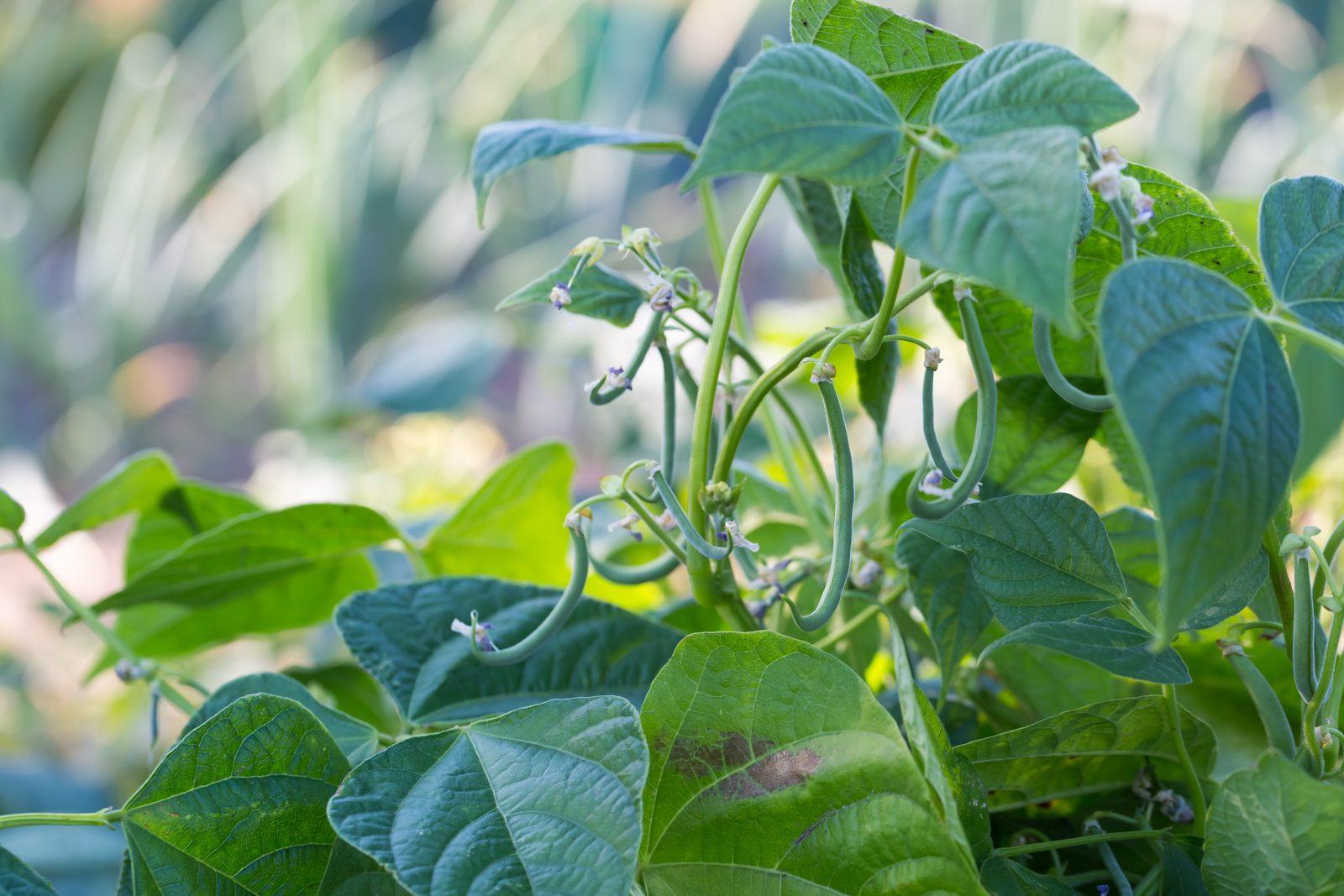
Dayton’s distinct climate offers both opportunities and challenges for home gardeners. Situated within USDA hardiness zones 6a and 6b, the local landscape requires specific maintenance strategies that align with the region's environmental conditions. Whether you are managing a mature lawn or starting a new container garden, success in Dayton relies on understanding these regional requirements.
Climate-Specific Lawn and Garden Care
Proper hydration is essential for any garden in Dayton. According to recent reports, gardens in the area typically need at least one inch of water per week to reach a soil depth of 6 to 8 inches. To ensure maximum efficiency and reduce evaporation, watering should be performed exclusively during the early morning or late evening hours. Regarding turf management, gardeners are advised to mow no more than one-third of the grass height at any given time. Aeration should be scheduled for the spring or fall, and fertilization should be strictly managed between April 1 and April 15, using only a slow-release fertilizer.
Navigating Invasive Weeds and Container Gardening
A significant portion of local gardening efforts is directed toward weed management. Common invasive weeds that frequently impact Dayton landscapes include dandelions, crabgrass, white clover, common chickweed, and Canadian thistle. Effective control of these species requires early intervention and consistent, proper fertilization protocols to maintain turf health. For residents focused on container gardening, local resources recommend avoiding soilless potting mixes. Instead, a successful blend consists of one part compost, one part garden soil, and one part builder’s sand to provide the necessary structure for plants in our zone.
For those looking to source supplies, local garden centers such as the facilities found in Miamisburg and Trotwood offer resources tailored to the Dayton climate. By adhering to these localized practices, residents can maintain healthier, more resilient outdoor spaces throughout the season.