culture
Dayton's Historic Sites Draw Residents Eager to Explore City's Documented Past
Residents continue to engage with documented events from the city's past at preserved locations.
How we reported this
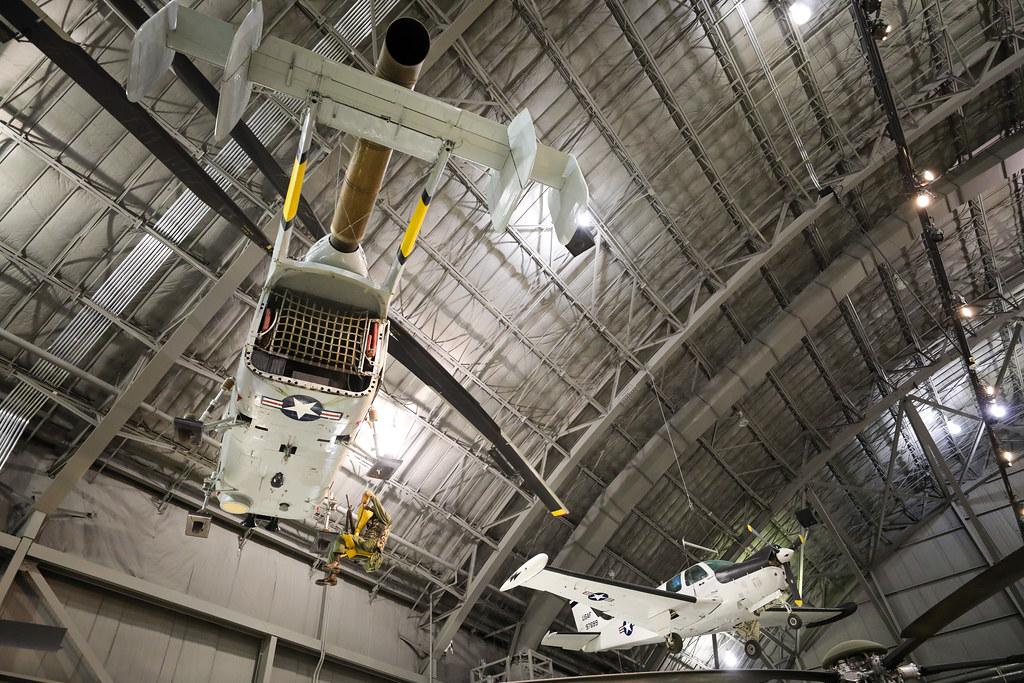
Dayton residents continue to discuss elements of the city's documented past, with attention focused on Carillon Historical Park as the main historical campus where early settlement structures are displayed.
Founding Details Draw Ongoing Attention
Dayton was founded in 1796 by the Thompson Party and named after Jonathan Dayton, a Revolutionary War captain and Constitution signer who never visited the settlement. This origin story appears in local historical accounts and connects to exhibits at the park featuring early settlement buildings such as the Newcom Tavern from around 1796.
Innovation Record Highlighted in Exhibits
By the turn of the 20th century, Dayton held more patents per capita than any other U.S. city. This record covers inventions including the airplane, automobile self-starter, and cash register, details preserved in materials tied to the 65-acre open-air museum at Carillon Historical Park.
Flood Event and Early Traffic Citation Recalled
Dayton experienced Ohio's worst natural disaster during the Great 1913 Flood, where the Great Miami River swelled over a mile wide and waters reached 20 feet, with human casualties limited to 361 due to NCR's relief efforts. Separately, the world's first speeding ticket was issued in Dayton in 1904 to Harry Myers for traveling 12 mph. The first soap box derby began in the city in 1933. These dated facts form part of the historical record presented at the park, which marked Dayton's 75th anniversary in 2025.
Park Role in Present-Day Engagement
The 65-acre site serves as the primary location where these specific historical elements are presented together. Local interest persists through visits that connect the founding date, patent record, 1913 flood measurements, 1904 citation, and 1933 derby start to the physical structures and timelines on display.
People seeking further details can consult the park directly for access information on the preserved buildings and records.