finance
Dayton New Businesses Confront Economic Headwinds This Year
A string of openings has not shielded local operators from broader pressures on costs and demand.
How we reported this
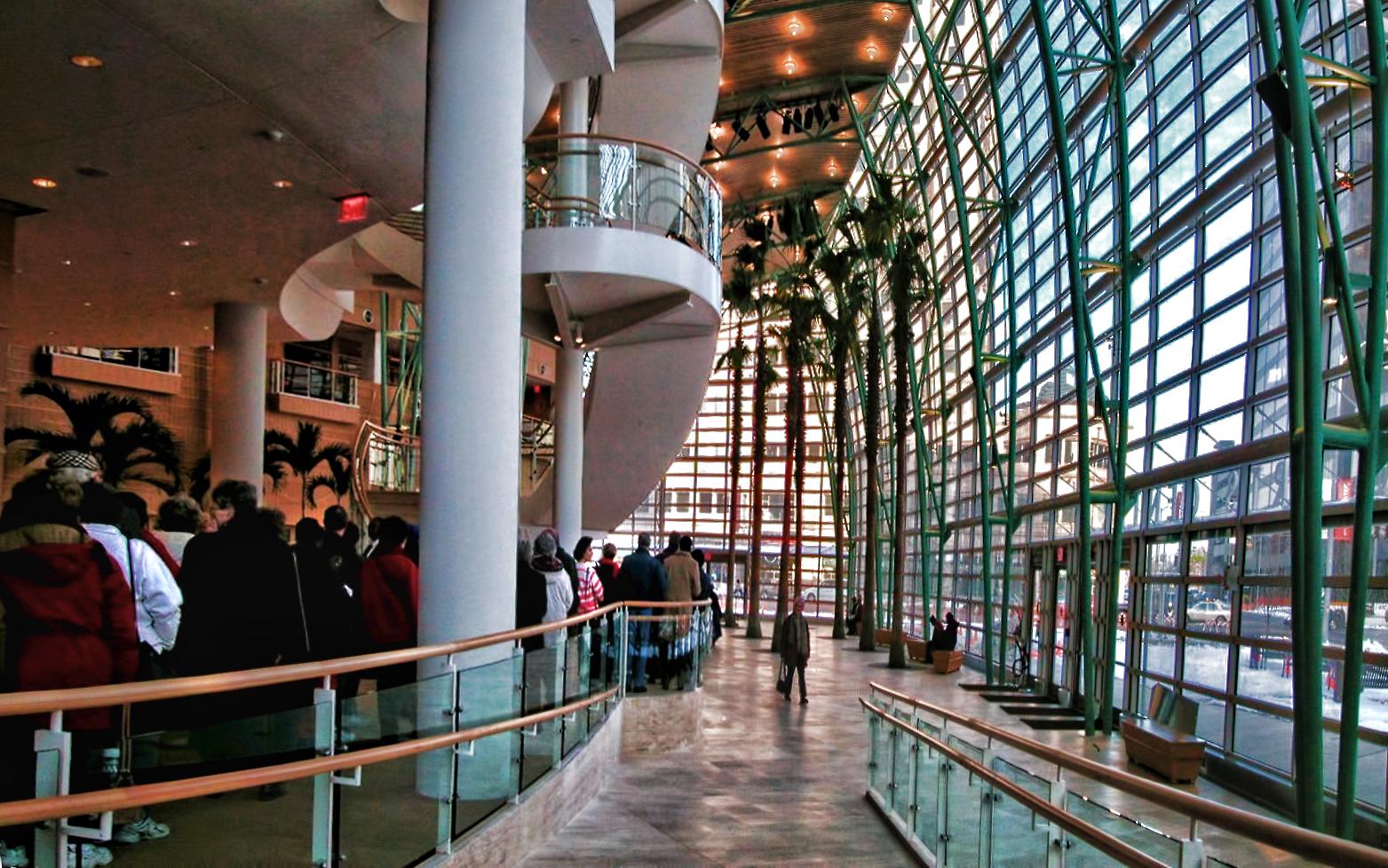
Seventeen restaurants opened across the Dayton area in July 2026, among them a new Starbucks inside the Schuster Center and a Waffle House at the corner of Wilmington Avenue and Patterson Road.
The continued pace of openings arrives at a moment when operators must absorb higher operating expenses and adjust to changing customer traffic patterns that have persisted into the current year. Local business counts from earlier periods show the trend has been steady rather than explosive, which leaves limited margin for error when input costs rise or foot traffic softens.
Downtown and Regional Openings on Record
Downtown Dayton recorded 28 new businesses that opened or signed leases during 2024, among them Table 33 and APG Office Furnishings. In the wider region, more than 80 restaurants, food trucks and hospitality businesses launched in 2025, including Kawa Revolving Sushi in Beavercreek and Soul Food Carryout in West Dayton. These additions sit alongside an Aldi store that opened its doors on February 29, 2024.
The cumulative additions have kept commercial corridors occupied even as national supply-chain delays and labor availability remain uneven. Specific addresses and neighborhoods tied to these launches continue to appear in public lease filings and city permitting logs.
Tracking the Numbers Behind the Trend
City and regional tallies place the July 2026 restaurant count at 17 openings against two closures, a net positive that still requires operators to manage thin margins once build-out costs and inventory expenses are factored in. Earlier annual figures, 28 downtown projects in 2024 and more than 80 hospitality launches in 2025, provide the baseline against which current performance is measured.
Operators report that lease negotiations now incorporate longer rent-abatement periods and shared maintenance clauses to offset construction inflation. No single policy change has been announced locally to address these variables, leaving individual businesses to adjust staffing models and supplier contracts on their own.
Business owners continue to review monthly sales data against utility and wage ledgers while watching for any shifts in foot traffic along established corridors. Local chambers and development groups maintain lists of available technical assistance for those seeking to stabilize operations through the balance of the year.
This article is general information only and is not personal financial or investment advice. Consider your own circumstances and seek licensed professional advice before making financial decisions.