finance
Dayton's Commercial Growth Accelerates: Economic Indicators and Investment Flows Explained
Understanding how economic signals and funding patterns shape Dayton's business landscape today.
How we reported this
Dayton's commercial development scene is drawing growing attention as investors and analysts seek to understand the underlying economic indicators and investment flows driving this major city’s vibrant business activities.
Amid a complex global economy and shifting investment priorities, clarity on Dayton’s economic indicators is vital for local businesses, policymakers, and residents alike. The city’s standing as a hub for logistics and manufacturing means shifts in commercial investments here reverberate across broader economic patterns.
Why Dayton’s Economic Signals Matter Now
Recent global trade tensions and regional security concerns have ripple effects reaching Dayton’s commercial sectors. The disruption of shipping routes and tariff adjustments in other parts of the world influence investor confidence and capital availability locally. Business leaders in Dayton are keen to interpret domestic and international economic data to anticipate shifts in demand, supply chains, and financing options.
Locally, programs supporting economic diversification and urban redevelopment in areas such as the Oregon District and downtown reflect a strategic response to evolving investment flows. These initiatives aim to attract new types of business and stimulate demand for commercial real estate, even as global uncertainties persist.
Interpreting Investment Flows and Commercial Development
Within Dayton’s commercial real estate market, the interplay of economic indicators-like tenant occupancy rates, lending conditions, and building permit trends-offers qualitative insight into investment momentum. While no specific up-to-date statistics are currently available to cite, stakeholders report a steady pipeline of proposals in mixed-use developments and industrial spaces. This aligns with the city’s role as a transportation nexus, even as national economic policies shift.
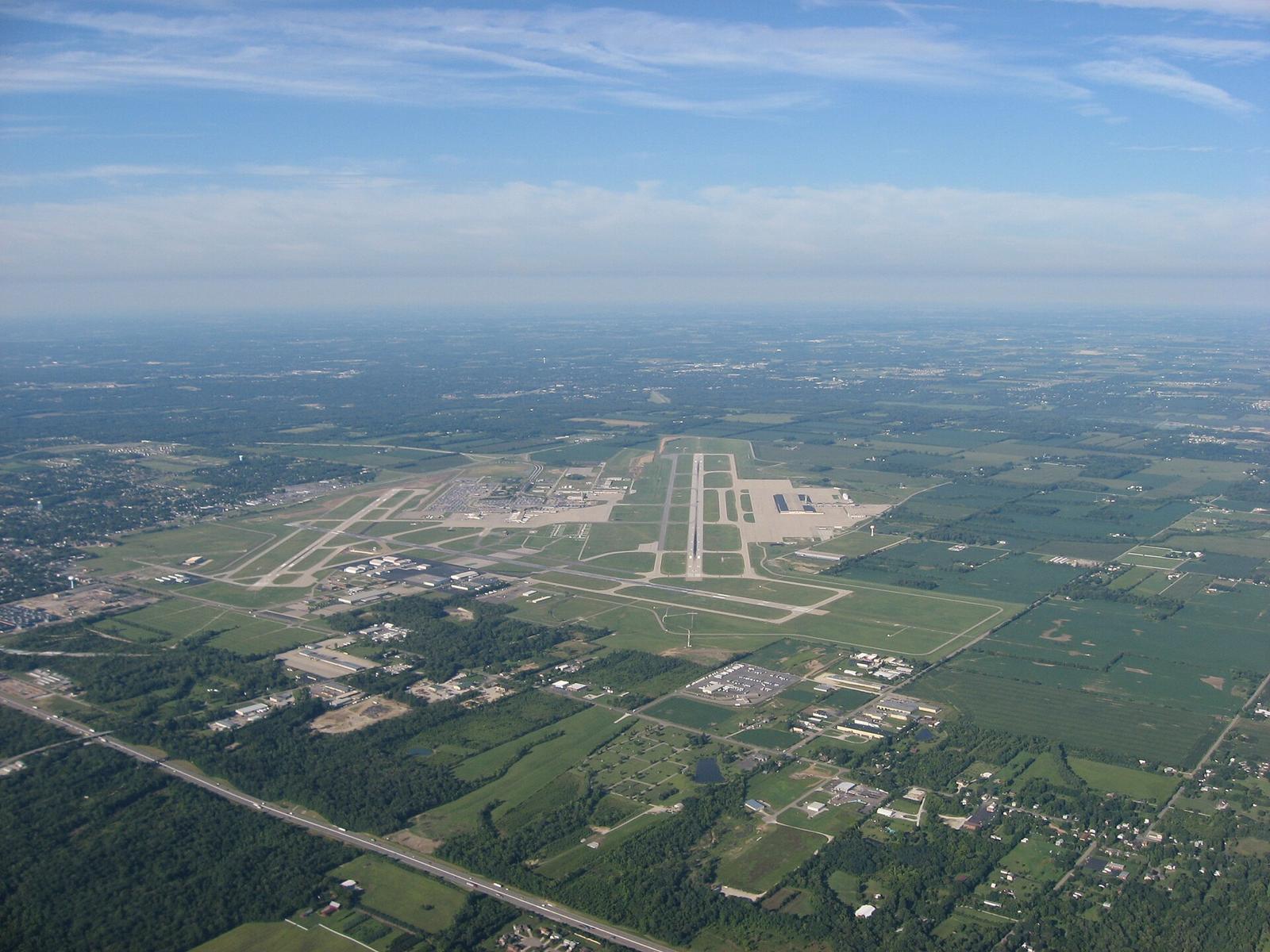
Investors keen on Dayton’s market monitor broader indicators such as regional employment rates and infrastructure investments to gauge long-term viability. The strategic location near major highways and the Dayton International Airport enhance the city's attractiveness for logistics-related commercial growth.
Looking ahead, Dayton’s commercial property market is likely to remain sensitive to fluctuations in broader economic forces, including geopolitical events and trade policies. Businesses and investors can benefit from ongoing attention to local economic programs and infrastructure projects that strengthen the city’s commercial foundation.
Practical advice for local investors and entrepreneurs involves staying well-informed on regional market conditions and nurturing flexible business models that can adapt to changing capital flows and supply chain dynamics. Engagement with Dayton’s economic development offices and business associations can provide timely insights and networking opportunities.
This article is general information only and is not personal financial or investment advice. Consider your own circumstances and seek licensed professional advice before making financial decisions.